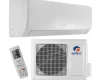
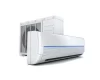
Low Voltage ACs: Best Cooling for Unstable Power Areas
Table of Contents
- Low Voltage ACs: The Best Cooling Options for Areas with Unstable Power
- Key Technologies Behind Low Voltage ACs
- Benefits Over Conventional Units
- Choosing the Right Low Voltage AC for Your Space
- Assessing Cooling Load
- Evaluating Power Quality
- Considering Installation Constraints
- Comparing Inverter and Non‑Inverter Models
- Energy Efficiency and Utility Bills
- Installation Best Practices
- Electrical Wiring
- Location and Ventilation
- Regular Maintenance
- Real‑World Applications and Case Studies
- Future Trends: Smart Integration and Renewable Power
In many parts of the world, unreliable electricity supply is more than an inconvenience—it’s a daily challenge that affects everything from businesses to households. When the power flickers or drops, conventional air‑conditioners can overheat, shut down, or even burn out, leaving indoor spaces unbearably hot. This reality has driven engineers and manufacturers to develop alternatives that can thrive under low‑voltage conditions.
Enter the world of low‑voltage air conditioners. These units are designed to operate efficiently on reduced mains voltage, often as low as 150 V, and they incorporate protective circuitry that safeguards against surges and brownouts. The result is a cooling system that remains functional when the grid falters, offering comfort and peace of mind to users in regions with erratic power.
In this article, we will explore why Low Voltage ACs: The Best Cooling Options for Areas with Unstable Power are gaining traction, examine the technology that makes them resilient, and provide practical guidance on selecting, installing, and maintaining them for optimal performance.
Low Voltage ACs: The Best Cooling Options for Areas with Unstable Power
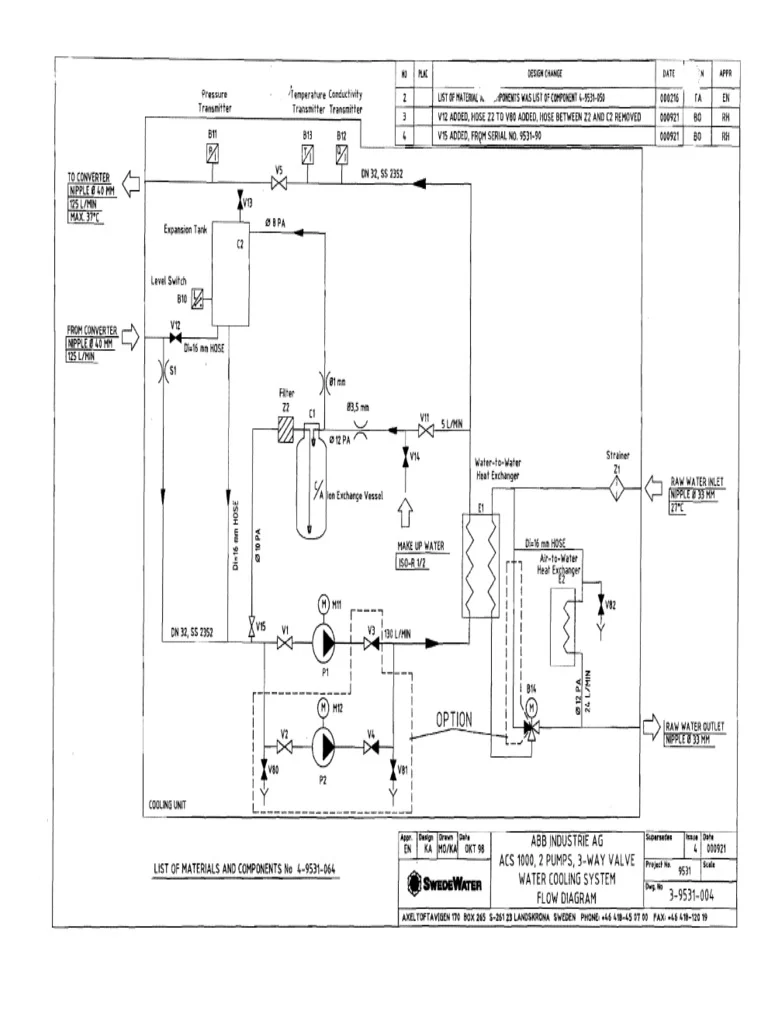
Internal Cooling Unit ACS_1000 | PDF
Low‑voltage air conditioners differ from standard units primarily in three respects: the power supply tolerance, the internal compressor design, and the control electronics. While a typical split‑type AC expects a stable 220‑240 V supply, a low‑voltage model can continue operating when the voltage dips below that range. This is achieved through the use of variable‑speed compressors, robust voltage regulators, and sometimes integrated inverter technology that modulates power draw in real time.
Key Technologies Behind Low Voltage ACs
- Inverter Compressors: Unlike traditional fixed‑speed compressors, inverter compressors adjust their speed to match cooling demand, which reduces the start‑up current surge that can trip breakers during low‑voltage episodes.
- Voltage Stabilizers: Built‑in stabilizers protect the unit from voltage spikes and drops, ensuring a consistent power flow to sensitive components.
- Smart Sensors: Advanced temperature and humidity sensors fine‑tune performance, allowing the AC to run at lower power without sacrificing comfort.
These technologies collectively make Low Voltage ACs: The Best Cooling Options for Areas with Unstable Power not just a workaround, but a robust solution that can extend the lifespan of the equipment while cutting electricity costs.
Benefits Over Conventional Units
- Reliability: Reduced risk of sudden shutdowns during voltage fluctuations.
- Energy Efficiency: Inverter-driven operation often leads to lower kWh consumption, especially in intermittent power scenarios.
- Lower Maintenance: Fewer electrical stress events translate to fewer repairs and longer warranties.
- Flexibility: Many low‑voltage models can be paired with solar panels or generators, providing a hybrid power solution.
For homeowners and business owners alike, these advantages translate into tangible savings and a more comfortable indoor environment, even when the grid is unpredictable.
Choosing the Right Low Voltage AC for Your Space

Choosing the Right Low Voltage Cabling for AV Installations
Selecting the ideal unit involves assessing both the cooling load of the area and the quality of the local power supply. Below are the primary factors to consider.
Assessing Cooling Load
The first step is to calculate the BTU (British Thermal Unit) requirement. A simple rule of thumb is 20 BTU per square foot for standard ceiling heights, but adjustments may be needed for high ceilings, large windows, or heavy equipment that generates additional heat.
Evaluating Power Quality
Use a multimeter or consult your utility provider to determine the typical voltage range in your area. If the supply frequently falls below 200 V, prioritize a model with a wider voltage tolerance and a built‑in stabilizer.
Considering Installation Constraints
Low‑voltage units are available in split, window, and portable formats. If structural modifications are limited, a portable AC—similar to those highlighted in Portable ACs in Nigeria: The Ultimate Solution for Small Spaces and Renters—might be the most practical choice.
Comparing Inverter and Non‑Inverter Models
While both can be low‑voltage compatible, inverter models generally offer smoother performance under fluctuating power. For an in‑depth comparison, see Inverter vs Non-Inverter AC: Better for Home & Pocket. If budget constraints are tight, a non‑inverter low‑voltage unit can still provide substantial benefits over a standard AC.
Energy Efficiency and Utility Bills
Energy‑efficient low‑voltage ACs often carry higher upfront costs, but they can significantly reduce monthly electricity expenses, especially in regions with high tariffs. Learn more about saving on bills in our guide Energy‑Efficient ACs: How to Save on NEPA Bills While Staying Cool.
Installation Best Practices
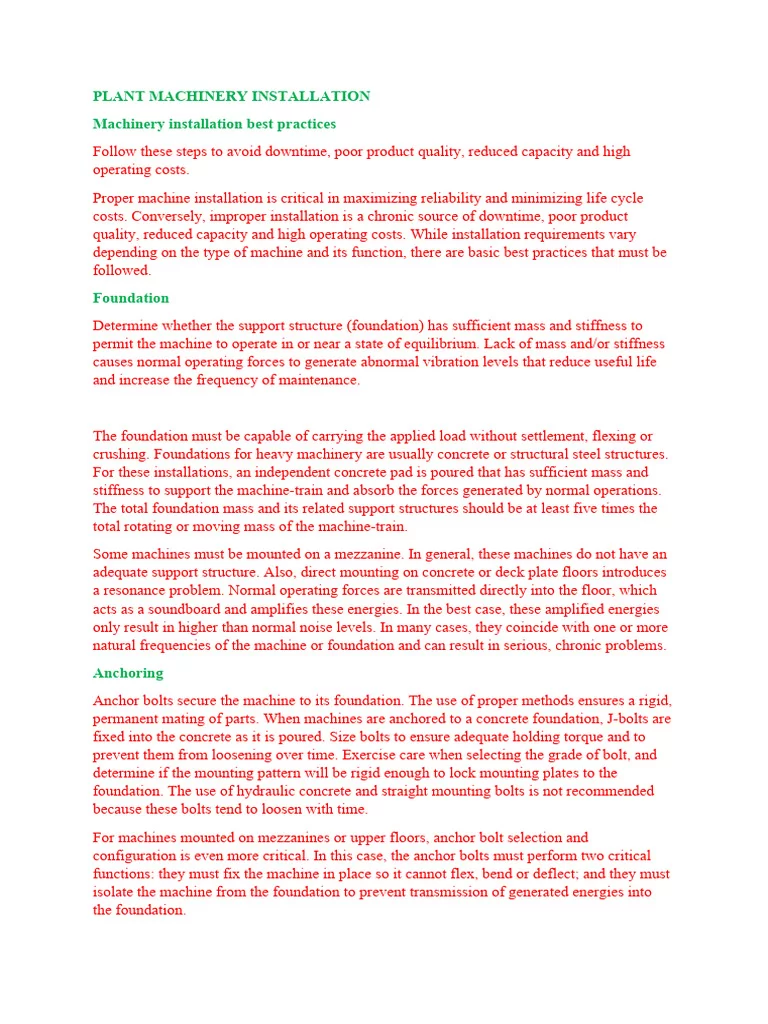
Machinery Installation Best Practices | PDF | Concrete | Machines
Proper installation is crucial to unlock the full potential of low‑voltage air conditioners. Follow these recommendations to ensure a seamless setup.
Electrical Wiring
- Use appropriately sized conductors to handle the unit’s maximum current draw, even during start‑up.
- Install a dedicated circuit breaker with a slight overload capacity to accommodate temporary surges.
- Consider adding an external voltage stabilizer for extra protection, especially if local supply dips below 150 V frequently.
Location and Ventilation
Place indoor units away from direct sunlight and heat‑generating appliances. Ensure that the outdoor condenser has at least 30 cm of clearance on all sides to maintain efficient heat exchange.
Regular Maintenance
Schedule bi‑annual cleaning of filters and coils. In areas with dust or high humidity, more frequent checks can prevent clogging, which reduces the unit’s ability to compensate for low voltage.
Real‑World Applications and Case Studies

Real World Applications of AI Case Studies and Success Stories | PDF
Several regions have reported noticeable improvements after switching to low‑voltage ACs. In parts of West Africa, businesses that previously faced daily shutdowns due to power dips now experience continuous operation, leading to higher productivity and reduced equipment replacement costs.
In a pilot program conducted in a semi‑urban Nigerian community, households that installed low‑voltage split ACs saw a 30 % decrease in average monthly electricity consumption compared to those using conventional units paired with backup generators. The study highlighted the synergy between low‑voltage technology and renewable energy sources, as many homes also installed rooftop solar panels to further stabilize their power supply.
Future Trends: Smart Integration and Renewable Power

Renewable Energy Integration 3
The next generation of low‑voltage air conditioners is set to integrate more deeply with smart home ecosystems. Features such as remote voltage monitoring, AI‑driven load balancing, and predictive maintenance alerts will empower users to manage cooling performance proactively.
Moreover, as solar and battery storage become more affordable, low‑voltage ACs will increasingly operate as part of a micro‑grid, drawing power directly from on‑site generation during peak sun hours and seamlessly switching to grid power when available. This hybrid approach not only enhances reliability but also aligns with global sustainability goals.
For consumers looking for the most cost‑effective options in the current market, resources like Best Air Conditioner Prices in Nigeria 2026 provide up‑to‑date pricing and model comparisons, making it easier to budget for a low‑voltage solution without compromising on quality.
In conclusion, when electricity supply is anything but steady, low‑voltage air conditioners emerge as a compelling answer. Their ability to adapt to fluctuating voltage, combined with energy‑saving inverter technology and robust protective features, makes Low Voltage ACs: The Best Cooling Options for Areas with Unstable Power a smart investment for both residential and commercial users. By carefully assessing cooling needs, power quality, and installation requirements, you can select a system that not only keeps your space comfortable but also protects your wallet and the environment.