Inverter vs Non-Inverter AC: Better for Home & Pocket
Table of Contents
- Inverter vs Non-Inverter AC: Which is Better for Your Home and Pocket? – Core Technology Explained
- Inverter vs Non-Inverter AC: Which is Better for Your Home and Pocket? – Energy Consumption
- Inverter vs Non-Inverter AC: Which is Better for Your Home and Pocket? – Initial Purchase Price
- Performance and Comfort: What You Feel Daily
- Inverter vs Non-Inverter AC: Which is Better for Your Home and Pocket? – Noise Levels
- Longevity and Maintenance: A Look at the Lifecycle
- Inverter vs Non-Inverter AC: Which is Better for Your Home and Pocket? – Environmental Impact
- Choosing the Right Unit for Your Specific Situation
- Practical Tips for Maximizing Savings Regardless of Choice
When the temperature spikes, the first thought for most homeowners is to reach for an air‑conditioner that can deliver instant relief. Yet the market is saturated with two main technologies that often confuse even seasoned buyers: inverter and non‑inverter units. Understanding the nuances between them can prevent wasted money, excessive electricity bills, and premature equipment failure.
In this article we break down the core mechanics, compare long‑term costs, and answer the pressing question: Inverter vs Non-Inverter AC: Which is Better for Your Home and Pocket? By the end, you’ll have a clear roadmap to choose the system that aligns with your comfort expectations and budget constraints.
Inverter vs Non-Inverter AC: Which is Better for Your Home and Pocket? – Core Technology Explained
At the heart of every air‑conditioner lies a compressor, the component that circulates refrigerant to absorb and release heat. The distinction between inverter and non‑inverter models is how the compressor’s speed is regulated.
- Inverter AC: Uses a variable‑frequency drive (VFD) to continuously adjust the compressor speed according to the room’s temperature demand. This means the unit can run at a lower speed once the set temperature is reached, maintaining comfort with minimal power.
- Non‑Inverter AC (also called Fixed‑Speed): Operates the compressor at a single speed. When the thermostat signals that the desired temperature is met, the unit shuts off completely, only to restart at full power when cooling is again required.
The difference may sound technical, but it translates directly into energy consumption patterns, noise levels, and overall lifespan of the equipment.
Inverter vs Non-Inverter AC: Which is Better for Your Home and Pocket? – Energy Consumption
Energy efficiency is the most compelling argument for inverter technology. Because an inverter AC can throttle its compressor, it typically consumes 30‑50 % less electricity than a comparable non‑inverter model during moderate climate conditions. The savings become evident on monthly electricity statements, especially in regions with high utility rates.
If you’re looking for deeper insights on saving electricity while staying cool, check out our guide on energy‑efficient ACs. The article outlines practical tips that complement the inherent efficiency of inverter units.
Inverter vs Non-Inverter AC: Which is Better for Your Home and Pocket? – Initial Purchase Price
While inverter models excel in operational costs, their upfront price can be 20‑40 % higher than non‑inverter counterparts. This price gap is largely due to the more sophisticated electronics and higher‑grade components required for variable‑speed control.
For budget‑conscious shoppers, it’s worthwhile to compare current market offers. A recent compilation of best air conditioner prices in Nigeria 2026 shows that even premium inverter units have become more accessible, narrowing the cost disparity that once existed.
Performance and Comfort: What You Feel Daily
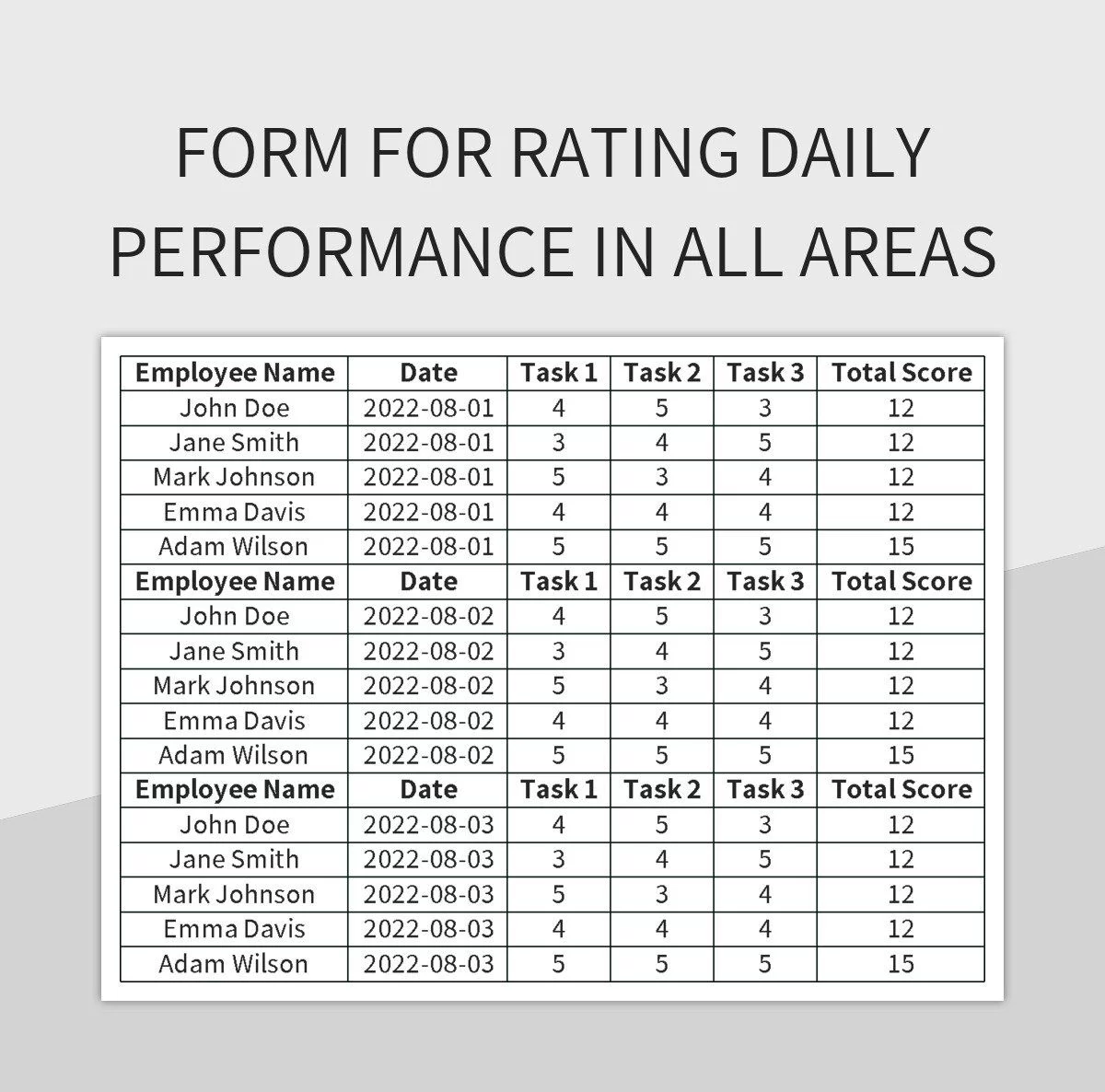
Free Daily Performance Templates For Google Sheets And Microsoft Excel
Comfort isn’t just about temperature; it’s about how quickly and consistently a room reaches the set point. Inverter ACs typically achieve the desired temperature faster because they can run the compressor at higher speeds during the initial cooling phase. Once the temperature stabilizes, the unit slows down, eliminating the “on‑off” cycling that can cause temperature fluctuations.
Non‑inverter units, by contrast, experience a “bang‑bang” effect: they run at full capacity, turn off, then start again, which can lead to noticeable temperature swings and increased wear on mechanical parts.
Inverter vs Non-Inverter AC: Which is Better for Your Home and Pocket? – Noise Levels
Because an inverter’s compressor can operate at lower speeds, these units generally produce less noise—often 3‑5 dB quieter than non‑inverter models. This quieter operation is beneficial for bedrooms, study rooms, or any space where a low‑profile environment is desired.
Longevity and Maintenance: A Look at the Lifecycle

Energy Maintenance & Longevity | AgelessRx
Reduced start‑stop cycles in inverter ACs translate into less stress on the compressor and related components. Over a typical 10‑year lifespan, an inverter unit may require fewer repairs and exhibit slower wear compared to a non‑inverter counterpart that endures frequent full‑power starts.
However, the sophisticated electronics in inverter models can be more expensive to service if a fault does occur. Regular maintenance—cleaning filters, checking refrigerant levels, and ensuring proper airflow—remains essential for both technologies.
Inverter vs Non-Inverter AC: Which is Better for Your Home and Pocket? – Environmental Impact
Lower electricity usage not only reduces bills but also cuts greenhouse‑gas emissions. In regions where the grid relies heavily on fossil fuels, choosing an inverter AC can be a small yet meaningful contribution to a greener household.
Choosing the Right Unit for Your Specific Situation
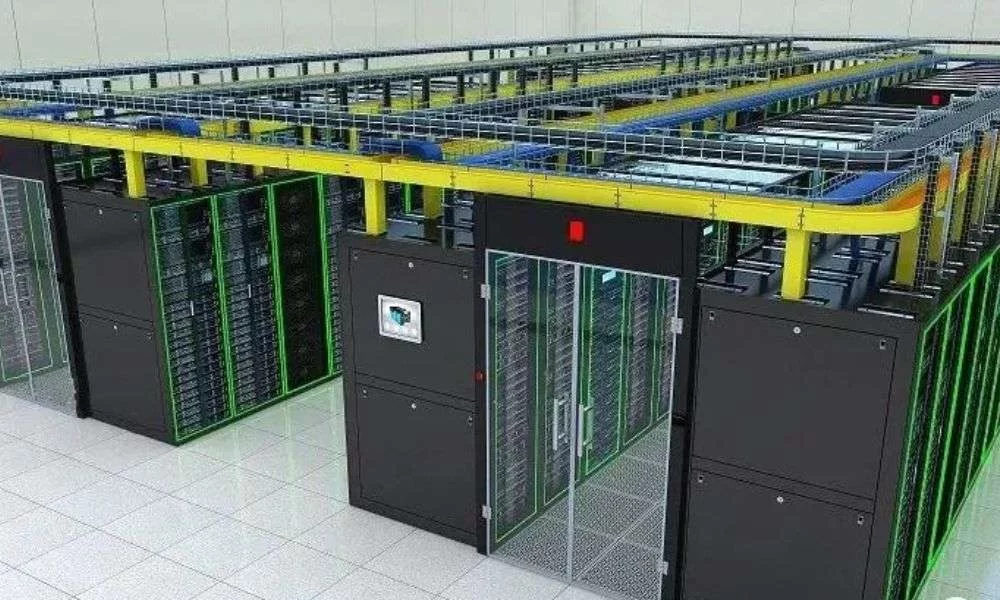
Choosing the Right Precision AC Unit for Your Facility
While the general trend favors inverter technology for most modern homes, certain scenarios may tilt the balance toward non‑inverter models:
- Very limited budget: If the initial capital outlay is the primary constraint, a reliable non‑inverter unit can still provide adequate cooling, especially in smaller spaces.
- Intermittent use: For occasional cooling—such as a guest room used only a few weeks a year—the savings from an inverter’s efficiency may not offset its higher purchase price.
- Existing infrastructure: Some older buildings have electrical wiring designed for lower inrush currents. Installing a high‑capacity inverter unit might require electrical upgrades, adding to total cost.
Conversely, households that run air‑conditioning for many hours each day, live in hot climates, or prioritize quiet operation will likely find that Inverter vs Non-Inverter AC: Which is Better for Your Home and Pocket? leans decisively toward the inverter solution.
Practical Tips for Maximizing Savings Regardless of Choice
- Set the thermostat a few degrees higher when you’re away; many modern units have smart or programmable controls.
- Maintain clean filters and unobstructed vents to ensure optimal airflow.
- Use ceiling fans in conjunction with ACs to circulate cooled air more efficiently.
- Consider solar‑assisted options if you’re investing in a new inverter AC, further reducing electricity bills.
Ultimately, the decision hinges on a balance between upfront investment and long‑term operating costs. By calculating your expected annual usage and applying local electricity rates, you can estimate the payback period for an inverter unit. In many cases, the savings realized within 3‑5 years justify the higher initial price, making the inverter the smarter choice for both comfort and wallet.
Whether you opt for an inverter or a non‑inverter air conditioner, the key is to choose a model that matches your home’s size, insulation quality, and usage patterns. Pairing the right technology with disciplined maintenance will keep your indoor climate pleasant while protecting your finances.