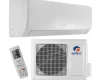
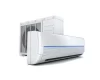
Energy-Efficient ACs: How to Save on NEPA Bills While Staying Cool
Table of Contents
- Energy-Efficient ACs: How to Save on NEPA Bills While Staying Cool
- Choosing the Right Capacity for Your Space
- Energy-Efficient ACs: How to Save on NEPA Bills While Staying Cool – Key Features to Look For
- Installation Practices That Boost Efficiency
- Maintenance Routines That Keep Bills Low
- Integrating Renewable Energy with Your Cooling System
- Financing Energy‑Efficient Upgrades
- Practical Tips to Reduce NEPA Bills Every Day
- Future Trends in Cooling Technology
When the Nigerian sun blazes at its peak, the temptation to crank up the air conditioner is hard to resist. Yet the soaring NEPA bills that follow can quickly turn a comfortable afternoon into a financial headache. Fortunately, modern technology offers a pathway to enjoy a cool indoor environment without draining your wallet. By opting for Energy‑Efficient ACs: How to Save on NEPA Bills While Staying Cool, households can strike a balance between comfort and cost‑effectiveness.
Understanding the dynamics of electricity consumption is the first step toward smarter cooling. An air conditioner that runs longer than necessary, or one that is poorly matched to the room size, can consume up to three times the energy of a properly sized, high‑efficiency model. This discrepancy not only inflates your monthly NEPA invoice but also contributes to unnecessary wear on the unit itself.
In this article we will explore the technical features that define truly efficient units, practical installation and maintenance tips, and how to integrate renewable solutions for an even greener, cheaper cooling experience. The goal is simple: keep the temperature down while keeping the bill down.
Energy-Efficient ACs: How to Save on NEPA Bills While Staying Cool
Management of Utility NEPA Bills | PDF | Refrigerator | Home Appliance
Energy‑efficient air conditioners are engineered to deliver the same cooling output using less electrical power. The key performance indicator is the Seasonal Energy Efficiency Ratio (SEER) or the Energy Efficiency Ratio (EER). Higher numbers mean better efficiency. For a typical Nigerian household, a unit with an EER of 12 or higher can cut electricity consumption by 20‑30 % compared with older, lower‑rated models.
Choosing the Right Capacity for Your Space
One of the most common mistakes is buying an oversized AC. While a larger unit can cool a room faster, it also cycles on and off more frequently, leading to higher start‑up currents and reduced overall efficiency. Use the rule of thumb of 20 BTU per square meter, adjusting for ceiling height, sun exposure, and insulation quality. This ensures the system runs longer in steady‑state mode, which is where its efficiency shines.
Energy-Efficient ACs: How to Save on NEPA Bills While Staying Cool – Key Features to Look For
When you scout the market, keep an eye on the following attributes:
- Inverter Technology: Unlike conventional compressors that operate at a fixed speed, inverter models adjust the motor speed to match the cooling demand, dramatically reducing power draw.
- Eco‑Mode or Power‑Save Settings: These built‑in programs limit the compressor’s capacity during milder conditions, maintaining comfort while shaving off kilowatt‑hours.
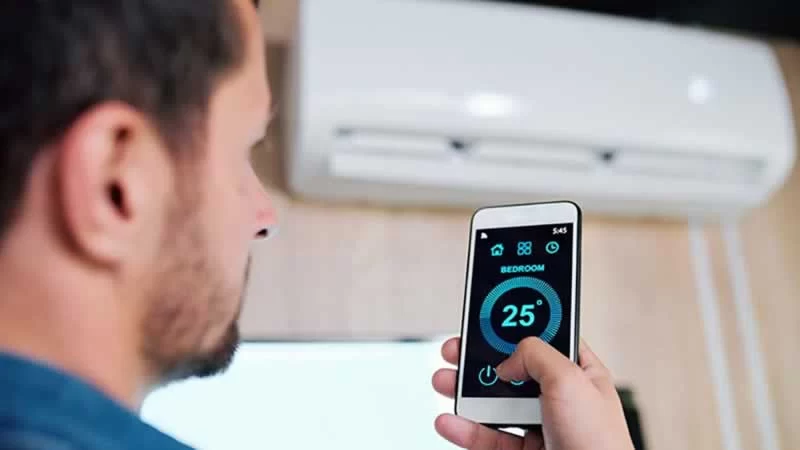
- Smart Connectivity: Wi‑Fi enabled units let you control temperature remotely, schedule operation, and receive maintenance alerts—all of which contribute to lower electricity usage.
- High‑Efficiency Filters: Clean air filters reduce resistance, allowing the unit to work more efficiently.
Installation Practices That Boost Efficiency
A high‑efficiency AC can underperform if installed incorrectly. Follow these best practices:
- Proper Placement: Install the indoor unit away from direct sunlight, heat‑generating appliances, and drafty windows. This reduces the cooling load.
- Sealed Ductwork: Leaky ducts can lose up to 30 % of conditioned air. Use insulated, airtight ducts to preserve the cooling effect.
- Correct Refrigerant Charge: Over‑ or under‑charging the system hampers performance and can damage the compressor.
- Optimal Outdoor Unit Location: Ensure the condenser has at least two meters of clearance on all sides for adequate airflow.
Maintenance Routines That Keep Bills Low
Regular upkeep is essential for preserving the energy‑saving potential of your AC. Here’s a concise checklist:
- Clean or replace filters every 30‑45 days.
- Inspect and clean the evaporator and condenser coils at least twice a year.
- Check the thermostat calibration and replace batteries if needed.
- Schedule professional servicing annually to verify refrigerant levels and electrical connections.
Neglecting these steps can cause the unit to work harder, increasing electricity consumption and shortening its lifespan.
Integrating Renewable Energy with Your Cooling System
For households looking to go beyond conventional savings, pairing an energy‑efficient AC with renewable power sources is an attractive option. Solar photovoltaic (PV) panels can supply a substantial portion of the AC’s energy demand, especially during peak sunlight hours when cooling needs are highest. A typical 1.5 kW inverter‑based AC draws about 1.2 kW when operating; a modest 2 kW solar array can cover most of that load, dramatically reducing reliance on NEPA supply.
Battery storage adds flexibility, allowing you to store excess solar energy for use during evenings or cloudy days. While the upfront investment is higher, the long‑term savings on NEPA bills often justify the expense, particularly for households with high cooling loads.
Financing Energy‑Efficient Upgrades
Many Nigerian banks now offer preferential loan terms for energy‑saving appliances. If you need financial assistance, consider exploring affordable financing options for energy‑efficient appliances. These programs typically provide lower interest rates and longer repayment periods, making the transition to a more efficient AC more accessible.
Practical Tips to Reduce NEPA Bills Every Day
Management of Utility NEPA Bills | PDF | Refrigerator | Home Appliance
Beyond choosing the right AC, everyday habits can have a sizable impact on your electricity consumption:
- Set Thermostat Wisely: Aim for 24‑26 °C (75‑79 °F) when you’re at home, and raise the temperature to 28‑30 °C (82‑86 °F) when you’re away.
- Use Fans Complementarily: Ceiling or pedestal fans circulate cooled air, allowing you to raise the thermostat a few degrees without sacrificing comfort.
- Close Blinds and Curtains: Blocking direct sunlight reduces heat gain, decreasing the workload on the AC.
- Turn Off Unnecessary Lights: Lighting adds to the overall heat load, especially incandescent bulbs.
- Leverage Time‑of‑Use Rates: If your NEPA tariff includes off‑peak periods, program your AC to run during those cheaper hours.
For those still unsure about the most cost‑effective model, our best air conditioner prices in Nigeria 2026 guide provides a comparative overview of performance, price, and energy consumption, helping you make an informed purchase.
Future Trends in Cooling Technology
Cooling Trends: What’s Hot in the World of Air Conditioning Design
The market is witnessing rapid advancements that promise even greater efficiency gains. Emerging technologies include:
- Variable Refrigerant Flow (VRF) Systems: These allow multiple indoor units to be powered by a single outdoor compressor, optimizing energy use across large spaces.
- Thermoelectric Cooling: While still niche, this solid‑state technology eliminates the need for refrigerants and can achieve high efficiency in small‑scale applications.
- AI‑Driven Predictive Controls: Machine learning algorithms analyze occupancy patterns and weather forecasts to pre‑condition spaces, reducing overall energy draw.
Adopting such innovations may seem futuristic, but early adopters often benefit from incentives and lower operating costs, reinforcing the principle that energy‑efficient ACs are a smart long‑term investment.
In summary, mastering the art of cooling without breaking the bank hinges on selecting a truly efficient air conditioner, installing it correctly, maintaining it diligently, and adopting complementary habits that shave off unnecessary kilowatt‑hours. By following the strategies outlined above, you can confidently enjoy a breezy indoor climate while keeping NEPA bills in check. The blend of technology, disciplined usage, and, where possible, renewable integration ensures that comfort and sustainability go hand in hand.