Portable ACs in Nigeria: The Ultimate Solution for Small Spaces and Renters
Table of Contents
- Why Portable ACs in Nigeria: The Ultimate Solution for Small Spaces and Renters?
- Portable ACs in Nigeria: The Ultimate Solution for Small Spaces and Renters – Energy Savings Tips
- Key Features to Look for When Choosing a Portable AC
- Cooling Capacity (BTU)
- Power Consumption (Wattage) and Energy Rating
- Portability Factors (Weight & Wheels)
- Noise Level (Decibels)
- Additional Functionalities
- How to Install a Portable AC in a Rental Apartment
- Cost Considerations and Where to Find the Best Deals
- Maintenance Practices to Extend Longevity
- Filter Cleaning
- Condensate Drain Management
- Inspect the Exhaust Hose
- Seasonal Deep Clean
- Addressing Common Concerns About Portable ACs
- “Portable units can’t cool a whole apartment.”
- “They are too noisy for small rooms.”
- “Portable ACs increase electricity bills dramatically.”
- “They don’t work well with unreliable power supply.”
Living in Nigeria’s bustling cities often means contending with limited living spaces, fluctuating electricity supply, and the constant pressure to stay cool during the tropical heat. For many renters, the prospect of installing a permanent split‑type air conditioner is fraught with obstacles—landlords may prohibit structural changes, and the upfront cost can be prohibitive. This is where Portable ACs in Nigeria: The Ultimate Solution for Small Spaces and Renters enters the conversation, offering a flexible, cost‑effective alternative that adapts to the unique challenges of urban living.
Beyond the obvious convenience of a unit that can be moved from a bedroom to a study, portable air conditioners provide a bridge between comfort and affordability. They require no permanent installation, consume less power when paired with the right technology, and often come with features that suit the erratic power grid. As the Nigerian market expands, manufacturers are tailoring models specifically for the local climate, making the decision to go portable more compelling than ever.
In the sections that follow, we will explore the key advantages of portable ACs for renters, examine the technical aspects that affect performance, and provide practical buying and maintenance tips. Whether you’re a student in Lagos, a young professional in Abuja, or anyone navigating the constraints of a rented flat, this guide will help you determine if Portable ACs in Nigeria: The Ultimate Solution for Small Spaces and Renters is the right fit for your lifestyle.
Why Portable ACs in Nigeria: The Ultimate Solution for Small Spaces and Renters?
Portable air conditioners have surged in popularity across Nigeria for several reasons that align directly with the needs of renters:
- No Structural Modifications: Unlike wall‑mounted units, portable ACs sit on the floor and vent through a simple window kit, preserving the integrity of rental agreements.
- Flexibility: Move the unit from a bedroom to a living room or even a temporary office without the need for professional installation.
- Lower Initial Investment: Entry‑level portable models often start well below the price of a split system, making them accessible for students and young professionals.
- Energy Efficiency Options: Modern units incorporate inverter technology, which can significantly reduce electricity consumption—a crucial factor given the high cost of NEPA bills.
When you search for Portable ACs in Nigeria: The Ultimate Solution for Small Spaces and Renters, you’ll notice that many manufacturers highlight compact dimensions, quiet operation, and multi‑functionality (cooling, dehumidifying, and fan modes). These features not only address comfort but also improve indoor air quality—a notable benefit in densely populated neighborhoods where humidity and dust are common.
Portable ACs in Nigeria: The Ultimate Solution for Small Spaces and Renters – Energy Savings Tips
To truly maximize the benefits, consider the following energy‑saving practices that align with the portable AC’s design:
- Use Inverter Models: Inverter technology adjusts the compressor speed based on temperature demand, reducing power spikes. For a deeper dive on inverter advantages, read Inverter vs Non-Inverter AC: Better for Home & Pocket.
- Seal the Exhaust Hose Properly: A well‑fitted window kit prevents hot air from re‑entering the room, ensuring the unit works efficiently.
- Set a Realistic Temperature: Aim for 24‑26 °C; each degree lower can increase consumption by up to 7%.
- Utilize the Dehumidify Mode: Removing excess moisture makes the environment feel cooler without running the compressor continuously.
Key Features to Look for When Choosing a Portable AC
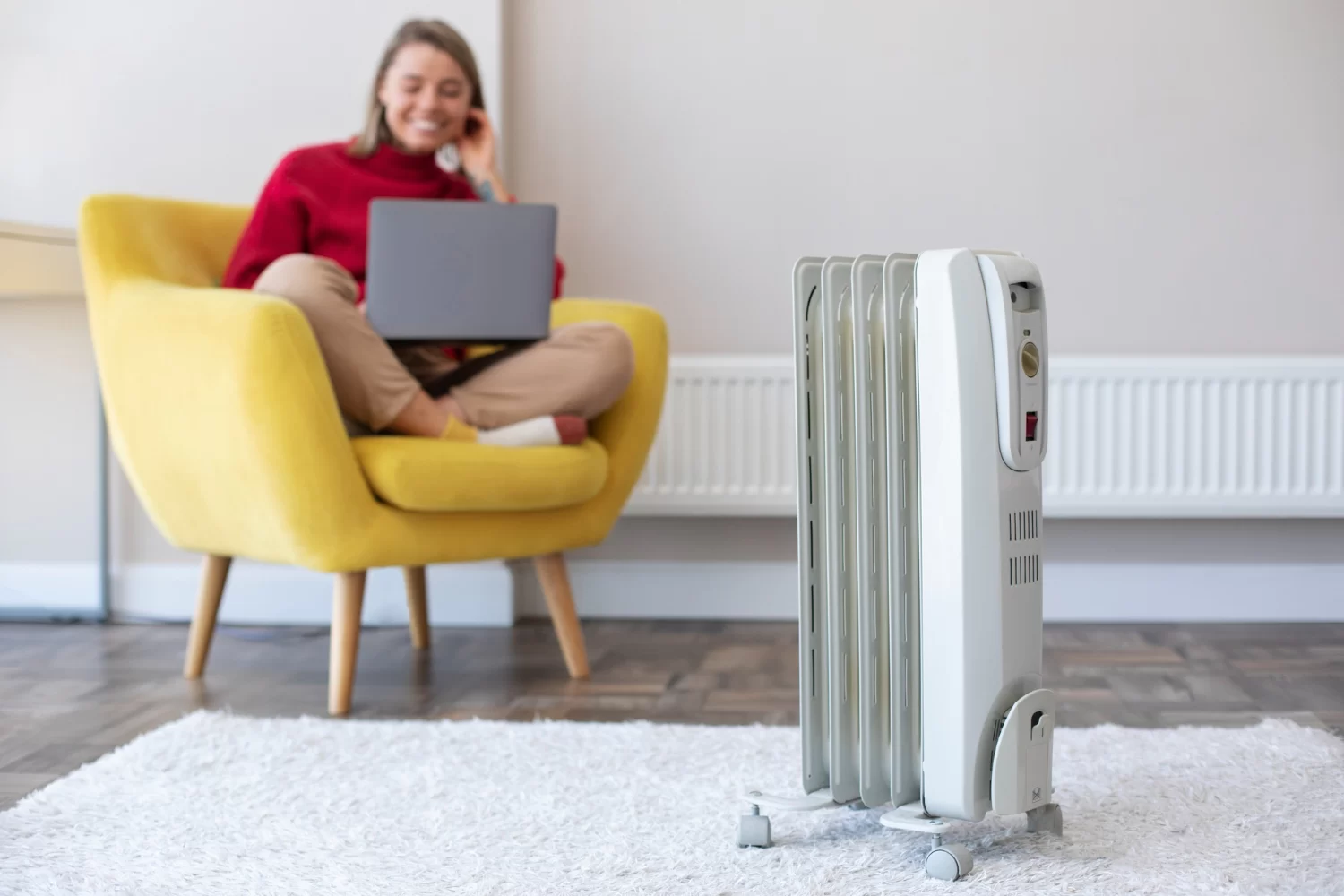
Choosing the Right Portable AC
Not all portable air conditioners are created equal, especially in a market as diverse as Nigeria’s. Below are the core specifications that should guide your purchase decision:
Cooling Capacity (BTU)
BTU (British Thermal Unit) measures the amount of heat a unit can remove per hour. For small apartments ranging from 200 to 300 sq ft, a 7,000‑9,000 BTU model is typically sufficient. Oversizing leads to frequent cycling, which wastes energy and reduces lifespan.
Power Consumption (Wattage) and Energy Rating
Portable ACs in Nigeria often come with a power rating between 900 W and 1,500 W. Look for models with an Energy Star rating or local equivalents that indicate lower electricity usage. Pairing a low‑wattage unit with a solar inverter can further cut costs.
Portability Factors (Weight & Wheels)
A true portable unit should weigh less than 30 kg and feature sturdy caster wheels. This makes it easier to maneuver through narrow doorways common in older Lagos apartments.
Noise Level (Decibels)
Since many renters share spaces, a quieter unit (below 55 dB) ensures comfort without disturbing roommates or neighbors.
Additional Functionalities
Modern portable ACs often double as dehumidifiers and air purifiers. A built‑in HEPA filter can trap dust and pollen—an advantage in regions where dust storms are frequent.
How to Install a Portable AC in a Rental Apartment

How To Install Portable Air Conditioner | Portable AC Rental Florida
Installation is straightforward, but following a systematic approach can prevent damage to the unit or the property:
- Choose the Right Window: Ideally, a sliding or casement window that can accommodate the exhaust hose without obstructing the view.
- Assemble the Exhaust Kit: Most portable units include a flexible hose, a window bracket, and sealing material. Fit the hose through the bracket, ensuring a snug seal.
- Position the Unit: Place it on a flat surface away from direct sunlight. Keep at least 30 cm clearance from walls for proper airflow.
- Plug Into a Dedicated Circuit: To avoid overload, connect the unit to a circuit that does not share high‑power appliances.
- Test the System: Run the unit on cooling mode for a few minutes, checking for leaks around the exhaust and ensuring the thermostat responds correctly.
Most landlords will appreciate the non‑invasive nature of this setup, and the reversible installation means you can leave the space in its original condition when you move out.
Cost Considerations and Where to Find the Best Deals

Cost Considerations For Businesses – BottleFirst
Pricing for portable ACs in Nigeria varies based on brand, capacity, and features. As of 2026, entry‑level units start around ₦70,000, while higher‑end models with inverter technology can reach ₦250,000. For a comprehensive price comparison, consult the latest market guide at Best Air Conditioner Prices in Nigeria 2026. Remember to factor in additional costs such as:
- Window vent kit (if not included)
- Extended warranty or service plan
- Potential electricity surcharge during peak hours
Many retailers offer promotional financing, especially for students and young professionals. Checking with local banks for low‑interest personal loans can make the purchase more manageable, particularly when the unit doubles as a dehumidifier, adding year‑round value.
Maintenance Practices to Extend Longevity

Premium AI Image | Maintenance Practices for Longevity
Proper upkeep not only preserves cooling efficiency but also prevents costly repairs. Follow these routine steps:
Filter Cleaning
Clean or replace the air filter every 2‑4 weeks, depending on usage. A clogged filter forces the compressor to work harder, increasing power consumption.
Condensate Drain Management
Most portable ACs collect water in a reservoir that must be emptied regularly. Some models offer continuous drainage via a hose—ideal for renters who prefer a set‑and‑forget approach.
Inspect the Exhaust Hose
Check for kinks or blockages monthly. A restricted hose reduces airflow, causing the unit to overheat.
Seasonal Deep Clean
At the start of each cooling season, give the unit a thorough cleaning: wipe the exterior, vacuum the interior coil (if accessible), and verify that all electrical connections are secure.
Addressing Common Concerns About Portable ACs
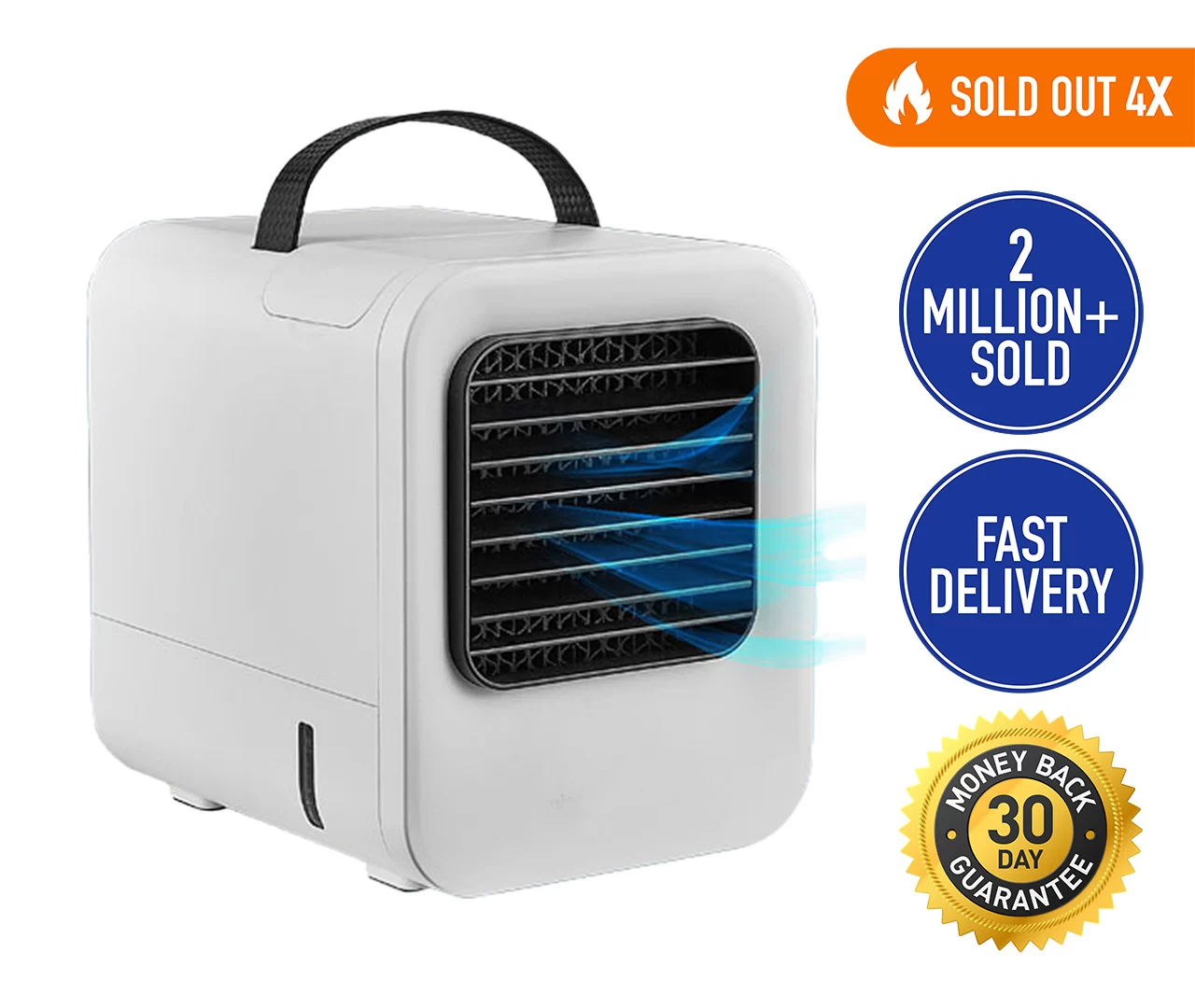
Best Portable ACs – Consumer Tested Reviews
While portable ACs are increasingly popular, certain misconceptions persist. Below we clarify the most frequently raised issues:
“Portable units can’t cool a whole apartment.”
Correct sizing is key. A 10,000 BTU portable AC can effectively cool a 400‑sq‑ft room if the windows are sealed and the unit is placed centrally. For larger spaces, consider using multiple units or a combination of cooling and fan strategies.
“They are too noisy for small rooms.”
Advancements in compressor design have reduced operating noise significantly. Selecting a model rated below 55 dB will keep the environment pleasant, even during night-time operation.
“Portable ACs increase electricity bills dramatically.”
When paired with inverter technology and responsible usage (e.g., turning off when not needed, using the timer function), the impact on NEPA bills can be modest. For an in‑depth guide on saving electricity while staying cool, see Energy-Efficient ACs: How to Save on NEPA Bills While Staying Cool.
“They don’t work well with unreliable power supply.”
Many portable ACs now include built‑in voltage stabilizers or can be connected to a UPS/inverter system, protecting the compressor from voltage fluctuations common in many Nigerian neighborhoods.
By understanding these nuances, renters can make an informed decision that aligns with both comfort and budget.
In summary, the flexibility, affordability, and evolving technology of portable air conditioners position them as a practical answer to the cooling challenges faced by renters in Nigeria’s dense urban centers. Whether you’re looking to beat the heat in a compact studio or need a versatile solution that moves with you across different rental units, Portable ACs in Nigeria: The Ultimate Solution for Small Spaces and Renters deliver a blend of performance and convenience that traditional split systems simply cannot match.
Investing in a well‑chosen portable AC, maintaining it diligently, and adopting smart usage habits will not only enhance your comfort but also protect your wallet against soaring electricity costs. As the market continues to innovate, keep an eye on emerging models with higher energy‑star ratings and integrated smart controls, ensuring your cooling solution remains future‑proof.
Embrace the freedom of portable cooling, and let your living space stay refreshingly cool—no matter where your lease takes you.