Best Air Conditioner Prices in Nigeria 2026
Table of Contents
- Best Air Conditioner Prices in Nigeria 2026: Top Brands for Every Budget
- Economy Segment – Value without Compromise
- Mid‑Range Segment – Balancing Efficiency and Comfort
- Premium Segment – Luxury, Innovation, and Highest Efficiency
- How to Secure the Best Air Conditioner Prices in Nigeria 2026: Top Brands for Every Budget
- Regional Price Variations Across Nigeria
- Future Trends Shaping Air Conditioner Prices in Nigeria 2026
With the tropical climate of Nigeria becoming increasingly unpredictable, reliable cooling solutions are no longer a luxury—they’re a necessity. As 2026 progresses, the market is flooded with new models, advanced inverter technology, and aggressive pricing strategies that make it harder than ever to decide which unit offers the best value. Whether you are a homeowner in Lagos looking for a silent split‑system, a small business in Abuja seeking a robust window unit, or a student in Port Harcourt needing a portable cooler, understanding the price landscape is essential.
In this comprehensive guide we break down the current pricing trends, spotlight the most reputable brands, and provide practical tips on how to stretch every Naira without compromising on efficiency. By the end, you’ll have a clear roadmap to navigate the crowded marketplace and secure the most competitive deal for your cooling needs.
Best Air Conditioner Prices in Nigeria 2026: Top Brands for Every Budget
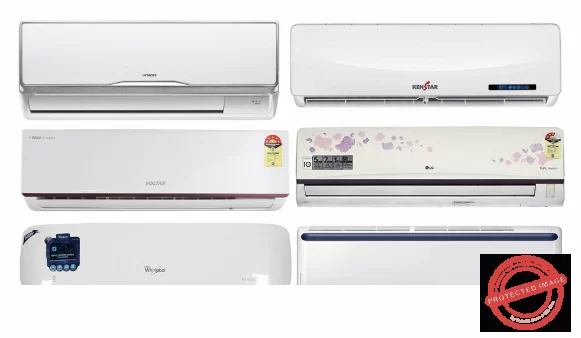
Best Air Conditioner Brands in Nigeria & Prices – Jumia.One
The phrase Best Air Conditioner Prices in Nigeria 2026: Top Brands for Every Budget isn’t just a marketing tagline—it reflects a genuine effort by manufacturers and retailers to cater to a wide spectrum of consumers. Below we categorize the options into three budget tiers: Economy, Mid‑Range, and Premium. Each tier lists the leading brands, typical price ranges (in Naira), and key features that set them apart.
Economy Segment – Value without Compromise
- LG – Window and portable models start from ₦45,000 to ₦70,000. LG’s Eco‑Inverter technology guarantees lower electricity bills while maintaining adequate cooling for rooms up to 20 m².
- Haier – Known for durability, Haier’s basic split units are priced between ₦55,000 and ₦85,000. The units often include anti‑bacterial filters, a useful feature in humid Nigerian climates.
- Hisense – Portable coolers range from ₦40,000 to ₦65,000, offering quick cooling for small spaces and easy relocation.
Even at the economy level, these brands have established service networks across major Nigerian cities, ensuring that after‑sales support remains accessible. For families on a tight budget, these models provide a sensible entry point without sacrificing essential performance.
Mid‑Range Segment – Balancing Efficiency and Comfort
- Samsung – Split ACs in the ₦90,000–₦150,000 bracket feature Digital Inverter Compressors and “Wind-Free” cooling technology, ideal for larger living rooms.
- Midea – Offers a strong portfolio of 1.5‑ton and 2‑ton units priced between ₦100,000 and ₦160,000, equipped with Wi‑Fi connectivity for remote control via smartphones.
- Panasonic – Mid‑range models (₦110,000–₦170,000) incorporate “Eco‑Navi” sensors that automatically adjust temperature based on room occupancy, delivering both comfort and energy savings.
Consumers who prioritize smart features, quieter operation, and slightly larger coverage areas will find the mid‑range segment most appealing. Moreover, many of these units qualify for local energy‑efficiency rebates, further lowering the effective cost.
Premium Segment – Luxury, Innovation, and Highest Efficiency
- Daikin – Premium split systems start at ₦200,000 and can exceed ₦350,000 for multi‑zone configurations. Daikin’s variable refrigerant flow (VRF) technology offers unmatched temperature control across multiple rooms.
- Carrier – With prices ranging from ₦220,000 to ₦380,000, Carrier units are renowned for their quiet operation and robust build quality, suitable for commercial offices or high‑end residential projects.
- Fujitsu General – Premium models (₦210,000–₦340,000) incorporate “Intelligent Eye” sensors that detect human movement and adjust cooling patterns accordingly, maximizing energy efficiency.
While the upfront investment is higher, premium models typically enjoy longer lifespans, lower maintenance costs, and superior resale value. For businesses or affluent homeowners seeking the best of the best, these brands represent the Best Air Conditioner Prices in Nigeria 2026: Top Brands for Every Budget at the high‑end.
How to Secure the Best Air Conditioner Prices in Nigeria 2026: Top Brands for Every Budget
Finding a great deal involves more than just comparing sticker prices. Below are actionable tips to ensure you get the most out of every Naira spent.
- Compare Online and Offline Sources: Websites like Jumia, Konga, and local retailer portals often run flash sales, while brick‑and‑mortar stores may offer bundle promotions (e.g., free installation).
- Check for Seasonal Discounts: The hottest months (April–June) see manufacturers push inventory with special offers; conversely, the dry season can bring clearance sales for older models.
- Leverage Financing Options: Many banks and fintech platforms provide low‑interest loans specifically for home appliances. Understanding how to finance your purchase can spread costs over time without excessive fees. For insights on financing, read Prestiti Personali Online: Analisi dei Migliori Tassi TAEG per il Credito al Consumo.
- Verify Energy Efficiency Ratings: Units with a higher SEER (Seasonal Energy Efficiency Ratio) may cost more upfront but will save on electricity bills, especially in regions with frequent power outages.
- Consider After‑Sales Service: Brands with a strong local service network reduce downtime and repair expenses.
By integrating these strategies, shoppers can navigate the market confidently and align their purchase with both budget constraints and performance expectations.
Regional Price Variations Across Nigeria
While national averages provide a useful benchmark, actual prices can fluctuate based on location due to logistics, taxes, and dealer mark‑ups. Below is a quick snapshot:
- Lagos & Ogun: Generally 5–10% higher than the national average because of higher demand and import duties.
- Abuja & Federal Capital Territory: Prices align closely with national averages; however, premium models may be more readily available.
- Northern States (Kano, Kaduna): Slightly lower prices for basic models, but limited availability of premium brands.
- Southern Coastal States (Rivers, Bayelsa): Higher humidity necessitates units with corrosion‑resistant coils, often adding a modest surcharge.
Understanding these nuances helps you plan purchases strategically—perhaps buying in Lagos and having the unit shipped to a northern location for cost savings.
Future Trends Shaping Air Conditioner Prices in Nigeria 2026
Looking ahead, several emerging trends are expected to influence pricing dynamics:
- Inverter Technology Adoption: As more manufacturers shift to inverter compressors, the overall price premium will diminish, making energy‑efficient models more affordable.
- Local Assembly Initiatives: Government incentives for local assembly could reduce import reliance, potentially lowering costs for both economy and mid‑range units.
- Smart Home Integration: Voice‑activated control and AI‑driven predictive cooling are becoming standard, adding value but also modestly increasing prices.
- Renewable Energy Compatibility: Units designed to work seamlessly with solar inverters are gaining traction, especially in off‑grid areas.
Staying informed about these developments ensures you make a purchase that remains relevant and cost‑effective for years to come.
In summary, navigating the landscape of Best Air Conditioner Prices in Nigeria 2026: Top Brands for Every Budget requires a balanced approach—considering brand reputation, energy efficiency, after‑sales service, and regional price variations. By aligning your specific cooling requirements with the appropriate budget tier, you can secure a unit that delivers comfort, reliability, and long‑term savings.
Whether you opt for an economical Haier window unit, a feature‑rich Samsung split system, or a high‑performance Daikin VRF solution, the Nigerian market in 2026 offers a breadth of choices that cater to every pocket. Armed with the insights and tips provided here, you are now ready to make an informed decision that keeps your indoor environment pleasant while protecting your financial wellbeing.