Solar-Powered Air Conditioners: Is it a Worthy Investment for Nigerians?
Table of Contents
- Solar-Powered Air Conditioners: Is it a Worthy Investment for Nigerians?
- How Solar-Powered Air Conditioners Work
- Economic Considerations: Upfront Cost vs. Long‑Term Savings
- Environmental Impact: Reducing Carbon Footprint
- Technical Challenges and Solutions for Nigerian Users
- Choosing the Right Solar AC System
- Financing Options and Incentives
- Case Studies: Real‑World Performance in Nigeria
- Is It Worth It? Summarising the Pros and Cons
Nigeria’s hot climate and frequent power outages have turned air conditioning from a luxury into a necessity for many households and businesses. Yet, the conventional reliance on grid electricity—or diesel generators—drives up operating costs and contributes to environmental degradation. In this context, solar-powered air conditioners emerge as a compelling alternative, promising lower electricity bills and a greener footprint.
This article examines the question at the heart of the discussion: Solar-Powered Air Conditioners: Is it a Worthy Investment for Nigerians? We will explore the technology behind solar‑powered cooling, evaluate the economic and environmental implications, and provide practical guidance for anyone considering the switch.
Solar-Powered Air Conditioners: Is it a Worthy Investment for Nigerians?
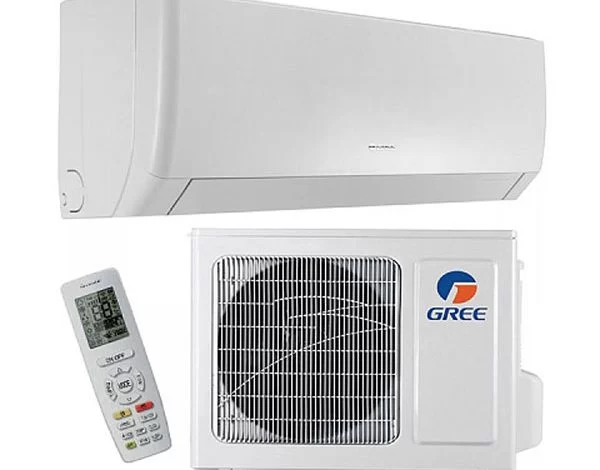
Nigerians Buy 2740 Air Conditioners Daily-UN | Peak News
Solar-powered air conditioners (often called solar ACs) integrate photovoltaic (PV) panels, an inverter, and a specially designed cooling unit. The system captures sunlight, converts it into electricity, and directly powers the AC or stores excess energy in batteries for use during cloudy periods or nighttime. Because the sun shines abundantly across most of Nigeria, the theoretical potential for solar cooling is significant.
How Solar-Powered Air Conditioners Work
Understanding the mechanics helps assess whether the technology matches the local context. A typical solar AC system includes:
- PV panels: Mounted on rooftops or dedicated structures, these panels generate DC electricity from sunlight.
- Inverter/charge controller: Converts DC to AC (the form required by most air‑conditioning units) and regulates battery charging.
- Battery bank (optional): Stores surplus power for use after sunset or during low‑light conditions.
- Solar‑compatible AC unit: Either a conventional split‑type inverter AC or a purpose‑built solar AC that can run directly from PV panels.
In many installations, the system is sized so that the AC runs primarily during daylight hours when solar generation peaks, reducing or eliminating the need for grid electricity during the hottest part of the day.
Economic Considerations: Upfront Cost vs. Long‑Term Savings
The most common objection to solar ACs is the high initial investment. A typical 1.5‑ton split inverter AC costs between ₦250,000 and ₦350,000, while a comparable solar setup—comprising 3‑4 kW of PV panels, an inverter, and a modest battery bank—can add ₦500,000 to ₦800,000 to the price tag. However, the financial picture changes when we factor in operating expenses.
According to the Nigerian Electricity Regulatory Commission, the average residential tariff hovers around ₦45 per kilowatt‑hour, but many users experience higher rates due to peak‑load surcharges and unreliable supply. A solar‑powered AC, after the pay‑back period of roughly 4‑6 years, can generate savings of up to ₦60,000–₦80,000 per year on electricity bills alone. For commercial spaces that run ACs for extended hours, the pay‑back can be even shorter.
Moreover, solar installations qualify for government incentives and, in some states, tax reliefs that can shave a few percent off the total cost. Pairing a solar AC with an energy‑efficient building envelope (insulated walls, reflective roofing) amplifies the savings, as the unit runs less frequently.
Environmental Impact: Reducing Carbon Footprint
Beyond the wallet, solar-powered air conditioners contribute to Nigeria’s climate goals. Conventional ACs powered by fossil‑fuel‑based generators emit CO₂ and other pollutants. By contrast, a solar AC produces zero emissions during operation. Over a 10‑year lifespan, a typical 1.5‑ton unit can offset between 4 tonnes and 6 tonnes of CO₂, depending on the local grid mix.
Adopting solar cooling also eases pressure on the national grid, which struggles with capacity constraints. Distributed solar generation eases peak demand, especially during the afternoon heat wave when both cooling needs and electricity consumption spike.
Technical Challenges and Solutions for Nigerian Users
While the promise is clear, certain technical hurdles need addressing:
- Intermittent sunlight: Cloud cover and the rainy season reduce PV output. A well‑sized battery bank or a hybrid system (grid‑connected with backup generator) mitigates this risk.
- Quality of solar components: Counterfeit panels and low‑efficiency inverters can cripple performance. Investing in reputable brands and certified installers is essential.
- Maintenance: Dust accumulation on panels is a common issue in many Nigerian cities. Regular cleaning (once a month) preserves efficiency.
For those unsure about sizing, professional installers can conduct a load analysis. A useful reference is the article Top 10 AC Installations & Repairs: Lagos, Abuja, Port Harcourt, which outlines the criteria for selecting a qualified installer.
Choosing the Right Solar AC System
Not every AC model is suitable for solar operation. Here are key criteria to consider:
- Inverter technology: Inverter ACs adjust compressor speed based on cooling demand, consuming less power than fixed‑speed units.
- Energy‑efficiency rating (EER/SEER): Higher ratings mean less electricity needed for the same cooling output.
- Compatibility with DC input: Some manufacturers offer ACs that can run directly from DC, eliminating the need for an inverter and reducing losses.
Reading the comparative guide Inverter vs Non-Inverter AC: Better for Home & Pocket can help you decide which technology aligns best with a solar setup.
Financing Options and Incentives
The upfront cost remains the biggest barrier. Fortunately, several financing pathways are emerging:
- Solar leasing: Companies install the system at no initial cost and charge a monthly fee, often lower than the grid bill.
- Micro‑finance loans: Banks and fintech firms now offer low‑interest loans specifically for renewable energy projects.
- Government grant programs: The Federal Ministry of Power occasionally runs subsidy schemes for residential solar installations.
Potential buyers should also explore the article Energy-Efficient ACs: How to Save on NEPA Bills While Staying Cool for tips on maximizing savings after the system is in place.
Case Studies: Real‑World Performance in Nigeria
Several pilot projects illustrate how solar-powered air conditioners perform in different Nigerian settings:
- Lagos residential complex (2023): A 10‑unit solar AC installation reduced monthly electricity bills by 65 % and eliminated reliance on generators during the day.
- Abuja corporate office (2022): A hybrid solar‑grid system powered three 2‑ton ACs, achieving a 45 % reduction in peak‑load charges.
- Port Harcourt clinic (2024): Solar ACs maintained a stable indoor temperature despite frequent power cuts, improving patient comfort and staff productivity.
These examples demonstrate that, when correctly sized and maintained, solar ACs can deliver consistent cooling while delivering tangible cost benefits.
Is It Worth It? Summarising the Pros and Cons
Below is a quick reference table to help you weigh the decision:
- Pros:
- Significant reduction in electricity bills after pay‑back period.
- Zero operational emissions; contributes to climate goals.
- Reduced dependence on unreliable grid and costly generators.
- Potential eligibility for incentives and financing schemes.
- Cons:
- High initial capital outlay.
- Performance depends on sunlight availability; may need battery backup.
- Requires regular maintenance (panel cleaning, battery checks).
- Limited local market for certified solar AC installers, though this is improving.
When the pros align with your energy consumption pattern—especially for households or businesses that run ACs for long hours during daylight—the investment becomes increasingly attractive.
In conclusion, the answer to the central question—Solar-Powered Air Conditioners: Is it a Worthy Investment for Nigerians?—leans toward a confident “yes” for many scenarios. The technology is mature, the solar resource abundant, and the financial models are evolving to make the upfront cost more manageable. By carefully assessing your cooling load, choosing high‑efficiency inverter units, and partnering with reputable installers, you can transform the sweltering Nigerian climate into a comfortable, sustainable environment.